
The Main Categories of Mining Equipment Used on Australian Sites in 2026
Australian sites run on a wide range of mining equipment, and knowing the main categories helps project managers and site operators make better decisions about what to source, hire, or buy in 2026. This guide covers the primary equipment types used in surface mining across Australia, with a focus on their operational roles in quarry and civil projects. It is particularly relevant for teams serving the Brisbane, QLD, region and beyond.
Crushers, screens, pugmills, conveyors, feed hoppers, and cement silos each play a distinct role in keeping material moving through a processing train. Understanding what each category does makes it easier to spec the right fleet for any job.
Crushers
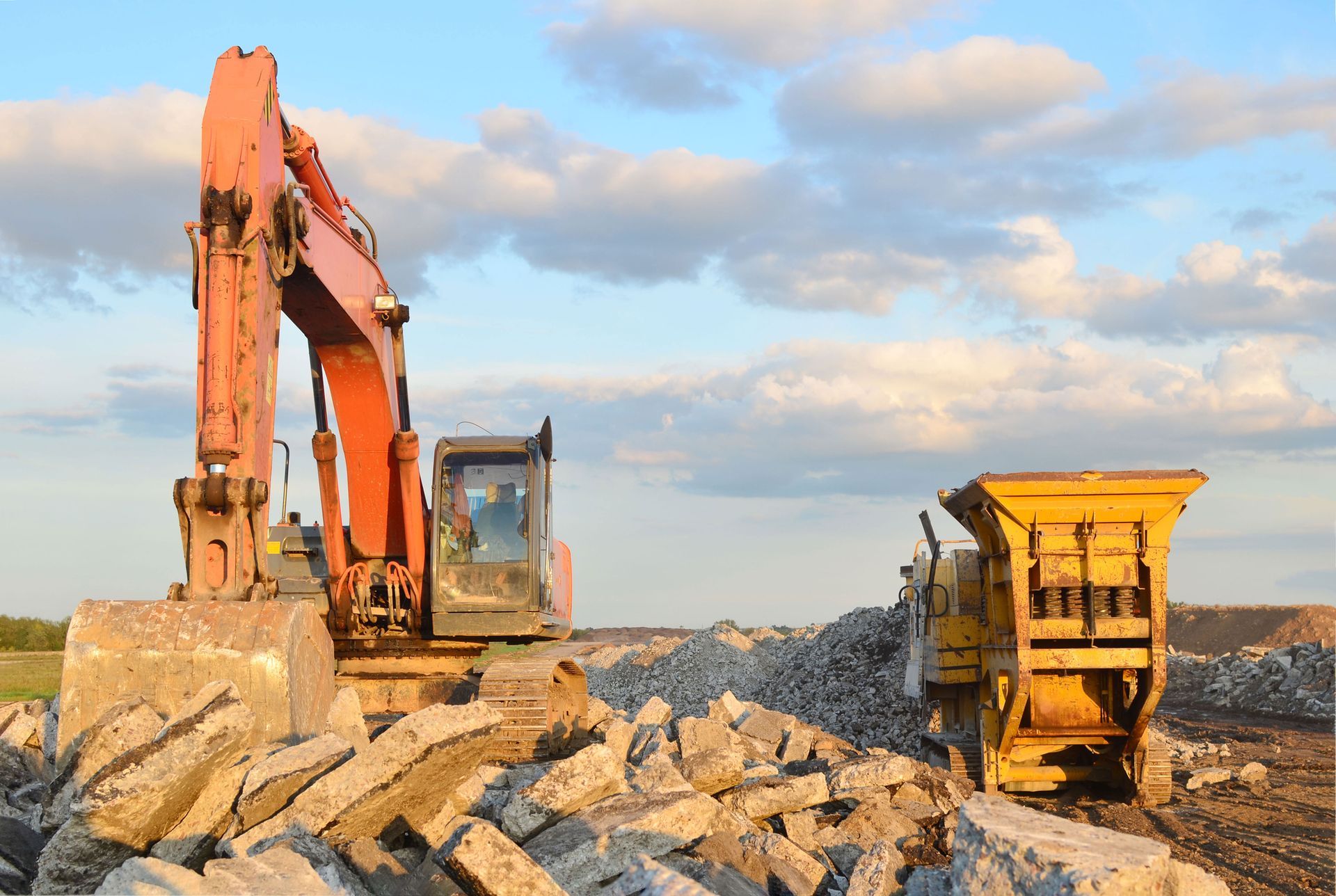
Crushers are the first major category of mining equipment most sites rely on. Their job is to break large rock or raw material down into a smaller, workable size.
There are several crusher types commonly found on Australian quarry and civil sites.
- Jaw crushers grip and compress rock between two plates, making them well suited to primary breaking of hard, abrasive material.
- Cone crushers apply a rotating compression action and typically handle secondary or tertiary crushing to produce more refined aggregate sizes.
- Impact crushers and VSI (vertical shaft impactor) units use high-speed collision to produce a cubical product, often preferred for road base and concrete aggregate.
On projects near Brisbane, QLD, where road and civil construction activity can be significant, mobile jaw and cone crushers may be deployed directly on site to reduce haulage costs and processing time.
Screening Equipment
Screening equipment separates crushed or raw material into different size fractions. Screens come in single-deck, double-deck, or triple-deck configurations depending on how many finished sizes a project needs to produce at once. Scalping screens are typically used ahead of crushers to remove fines and oversize before the primary breaking stage, protecting crusher components and improving efficiency. Wet and dry screening options are both available, with wet screening often used when material is sticky or when dust suppression is a worksite requirement.
What Types of Material Can Screens Handle?
Screens on Australian sites can handle rock, sand, gravel, recycled concrete, and soil. The choice of mesh size and deck configuration depends on the end-product specification required. Civil projects around the greater Brisbane region often require tightly graded road base material, making a quality screening plant a core part of the processing train.
Pugmills and Blending Plants
Pugmills and blending plants mix materials to an accurate specification. They are common on infrastructure and road projects where precise moisture or binder content is required. A pugmill can blend aggregate, lime, cement, or fly ash into a base material to achieve a specific engineering outcome. Track-mounted units offer flexibility on sites where the processing location may shift over time, and four-hopper blending units can combine multiple feed streams simultaneously for consistent output at high production rates.
Conveyors and Feed Hoppers
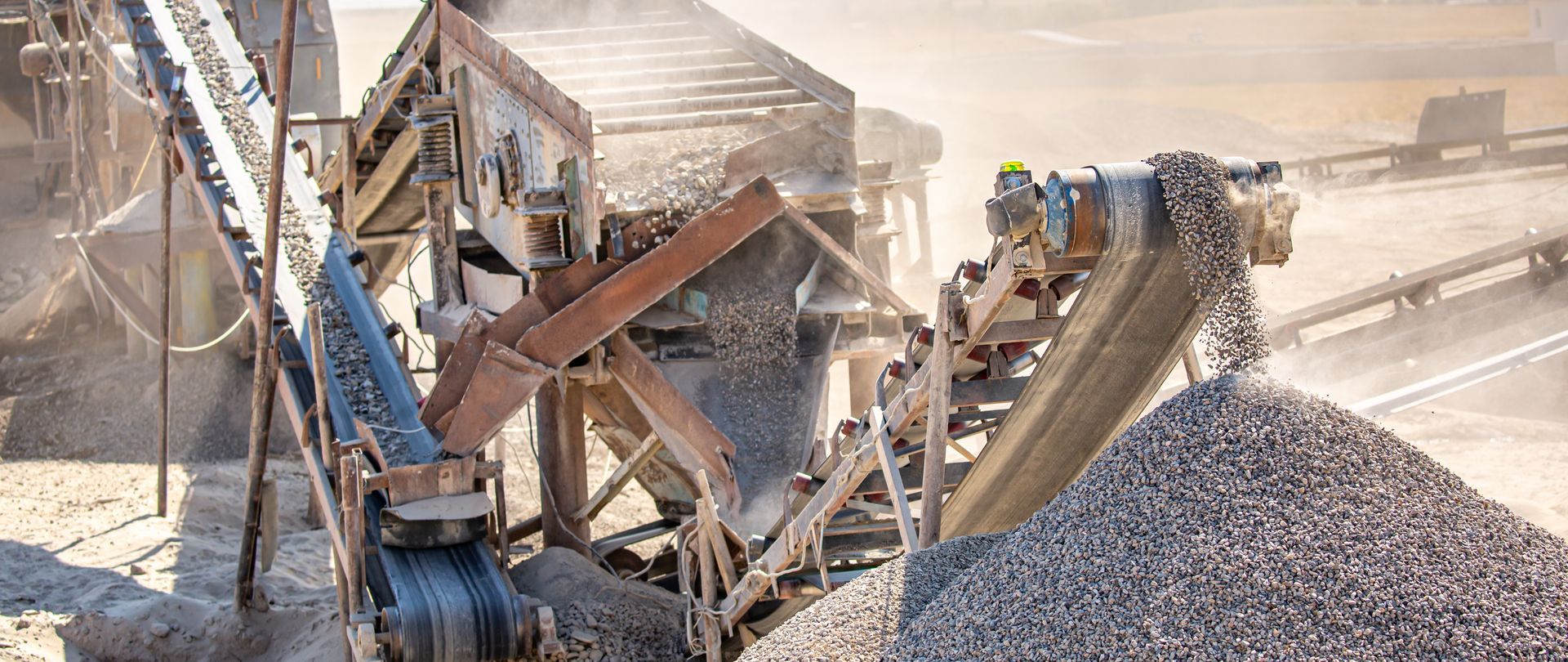
Conveyors move material between processing stages, and feed hoppers control how material enters a crusher, screen, or blending plant. Track conveyors are useful for creating large stockpiles or spanning awkward terrain. Wheel conveyors suit operations that need high stacking capacity with a compact footprint. Feed hoppers with variable-speed belt drives can precisely control the rate at which material is introduced into downstream equipment. The conveyor and hopper configuration often determines whether an operation runs at full production capacity or faces frequent bottlenecks.
Cement Silos
Cement silos store cement or binder powder on site so that batching plants and pugmills can operate without interruption. Mobile cement silos can be towed to site and set up relatively quickly, which suits projects in regional or remote areas where supply logistics can be challenging. For projects near Brisbane involving stabilisation work or concrete batching, a mobile silo can be a practical addition to the equipment fleet.
What Is the Difference Between Wet and Dry Hire for Mining Equipment?
Wet hire means the equipment is supplied with an operator included, while dry hire means the contractor receives the plant only and provides their own operator. The right choice depends on the contractor's available workforce, the duration of the project, and the complexity of the machine being hired.
Choosing the Right Equipment Combination for Your Project
Getting the most from a processing operation means thinking about the full plant train rather than any single machine. A well-matched combination of crusher, screen, pugmill, conveyor, and silo can significantly improve throughput and reduce double-handling on site.
How Do You Match Mining Equipment to a Specific Project?
The key factors are material type, target product specification, required production rate, and site access. Harder rock may call for a heavy-duty jaw crusher before a cone crusher secondary stage. Projects producing multiple aggregate sizes may need a two or three-deck screen. Sites blending to a road-base specification will typically need a pugmill or blender in the train.
Talk to the Team Serving Brisbane
If you are sourcing mining equipment for a project in or around Brisbane, QLD, Crusher Screen Sales and Hire can help you find the right plant for the job. The team offers both sales and hire options across crushers, screens, pugmills, conveyors, feed hoppers, and cement silos, with support available Australia-wide.
Browse the full range on the equipment sales page or explore hire plant options to find what suits your project. To discuss your requirements directly, get in touch with the team for a competitive quote.
Find Crusher Screen Sales and Hire on Google Maps.